


This project by Tolila+Gilliland in Chevilly-Larue is exemplary. Designed as a day hospital for children with autism spectrum disorders, it offers a singular environment dedicated to care, where natural materials foster calm, comfort and reassurance.
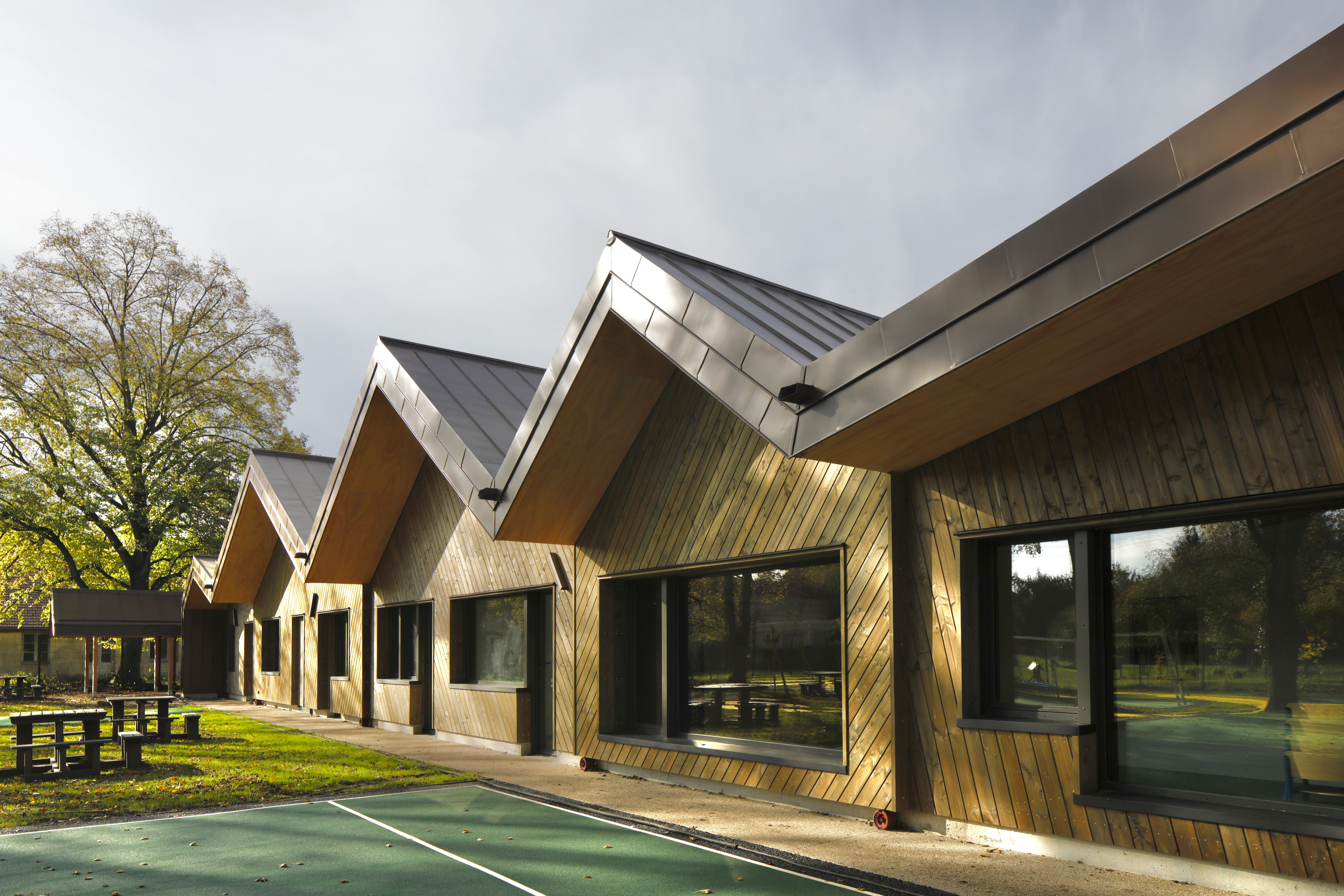
Set within a remarkable site and responding to a complex brief, the design approach is both sensitive and inventive. Designing and delivering a psychiatric facility for children aged 4 to 14 with pervasive developmental disorders and autism spectrum disorders is a considerable challenge. It demands close collaboration with users and caregivers, alongside careful attention to spatial organisation, colour palettes, material choices, acoustics and lighting.
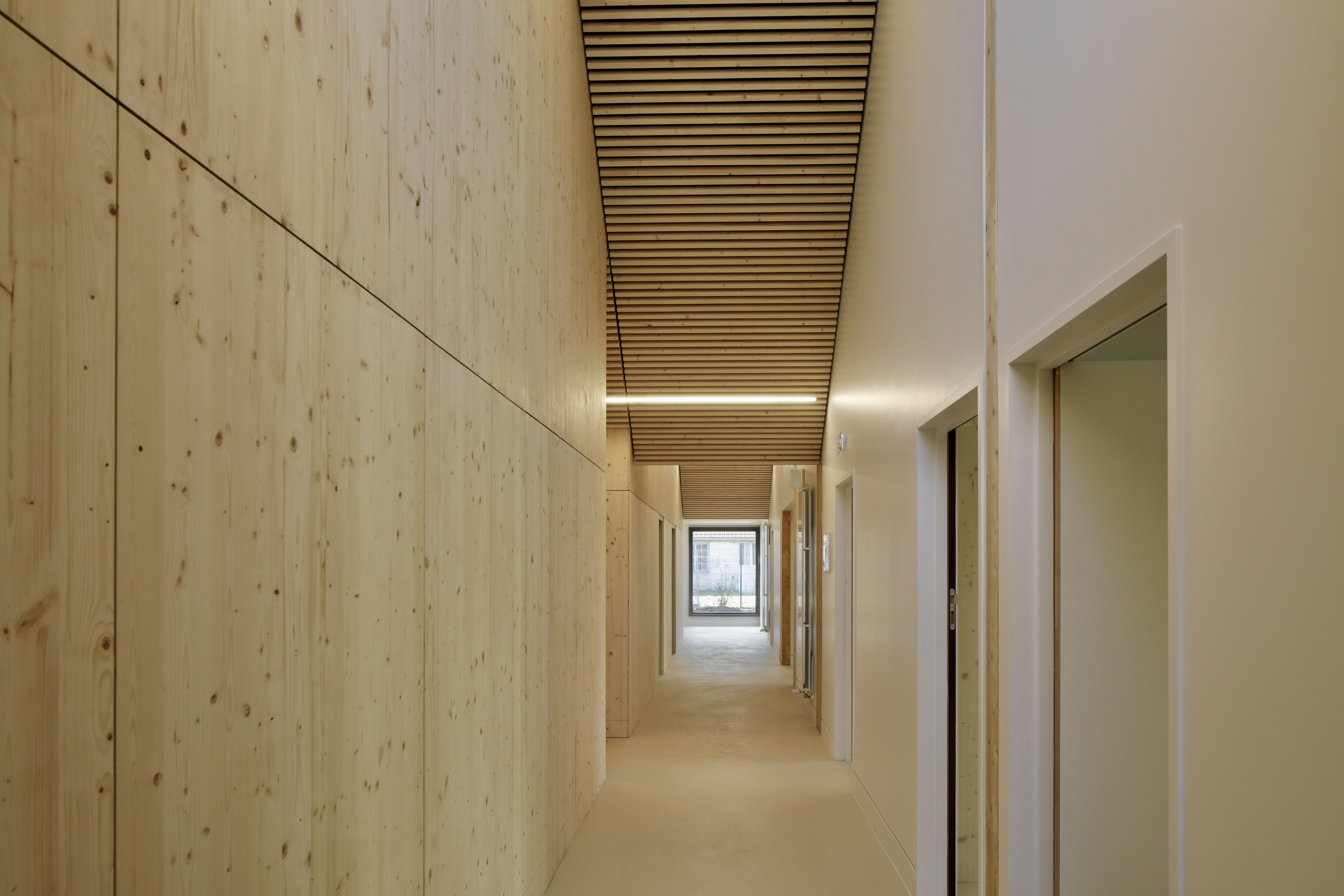
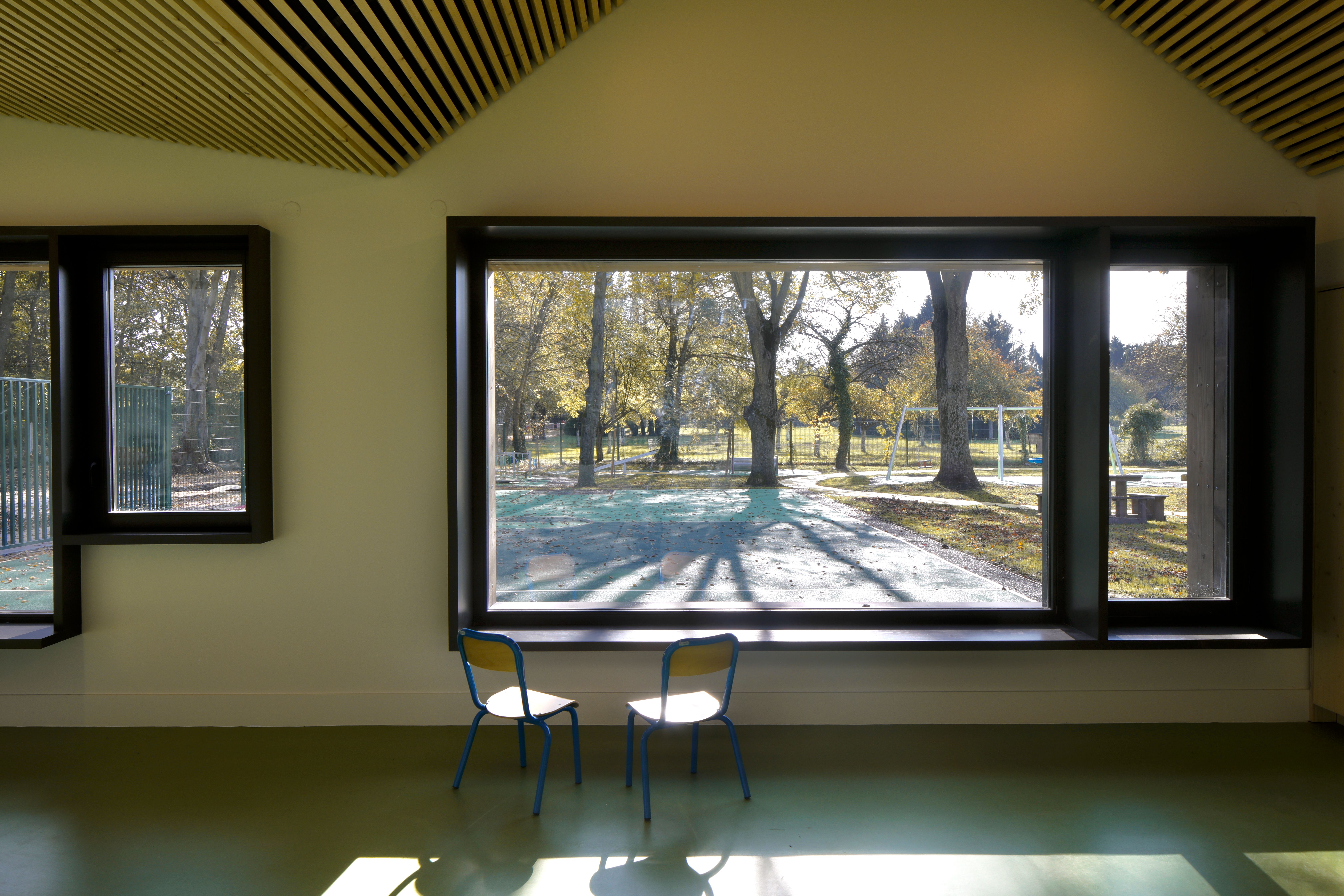
Nestled at the heart of a park, the Chevilly-Larue day hospital is approached via a gently winding path through the landscape. Within this serene setting, the new building appears as a small hamlet of pitched-roof volumes. Inside, children are offered framed views of the surrounding greenery through glazed openings of varying sizes and heights suitable for their size. Clear, open and intuitive circulation routes support easy orientation, while extensive use of timber in the corridors softens the look and feel of the interior. Skylights punctuate the roof, drawing natural light deep into the interiors.
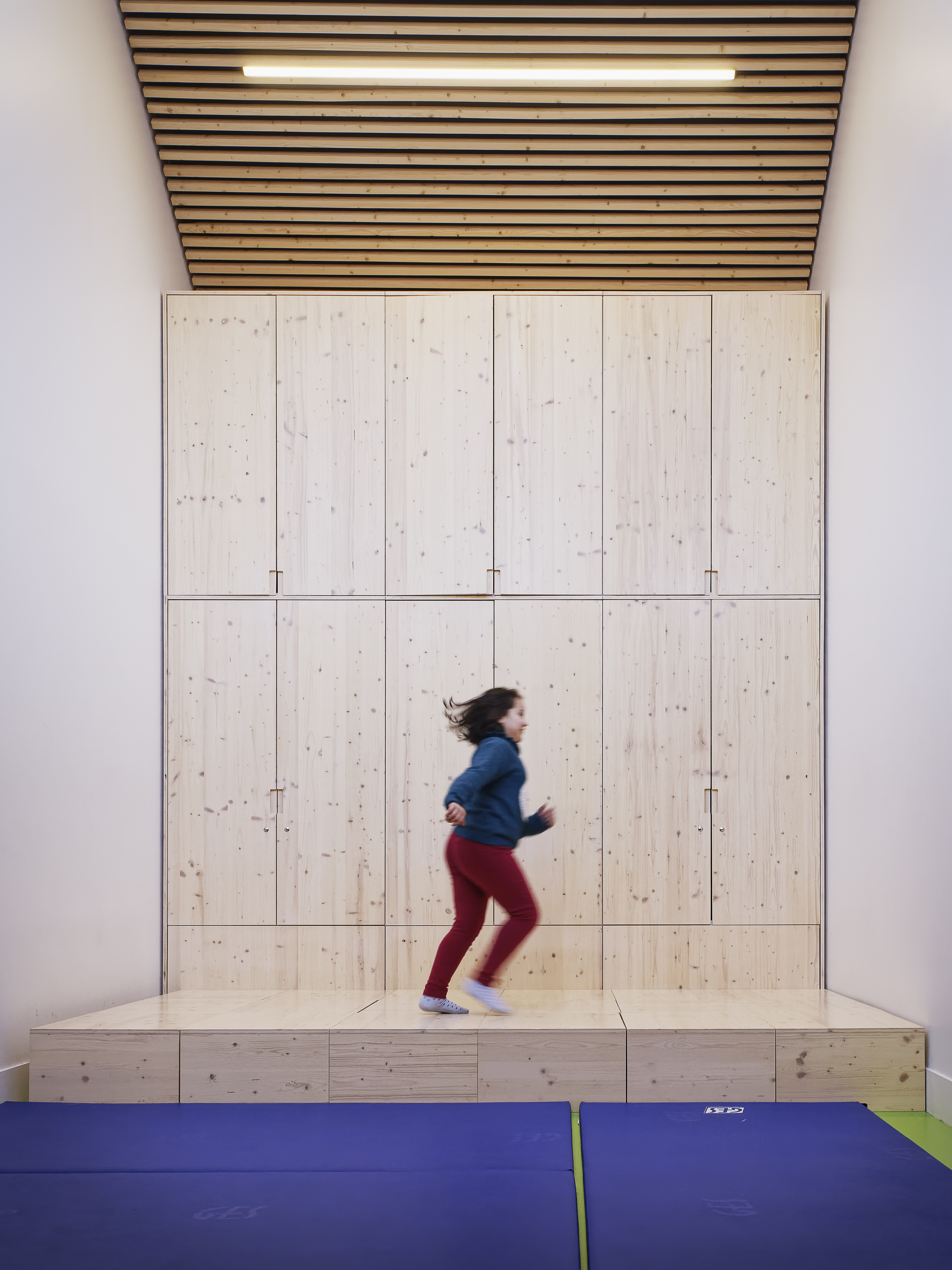
Each workshop space is distinct, differing in size, configuration and ceiling form. Responding to the diverse needs of its young users, the project provides a wide range of settings for various activities. Some areas accommodate energetic, noisy programmes, while others are dedicated to calm and concentration, where the environment’s acoustic performance is paramount. Sound-absorbing panels mitigate noise, and colour plays a similarly nuanced role: neutral tones dominate quieter spaces, while more vibrant hues animate others. Every element has been carefully calibrated to support the well-being of the children.
The interior design is organised around modular spaces, with materials and textures selected for their sensory qualities. ‘Refuge’ rooms, for example, use sound as a means of soothing and stimulating the senses, while other activity areas are equipped with absorbent materials that allow higher noise levels without disruption. Natural rubber flooring runs throughout, complemented by spruce timber wall linings and suspended ceilings. All cabinetry and furniture were custom-designed for the project.
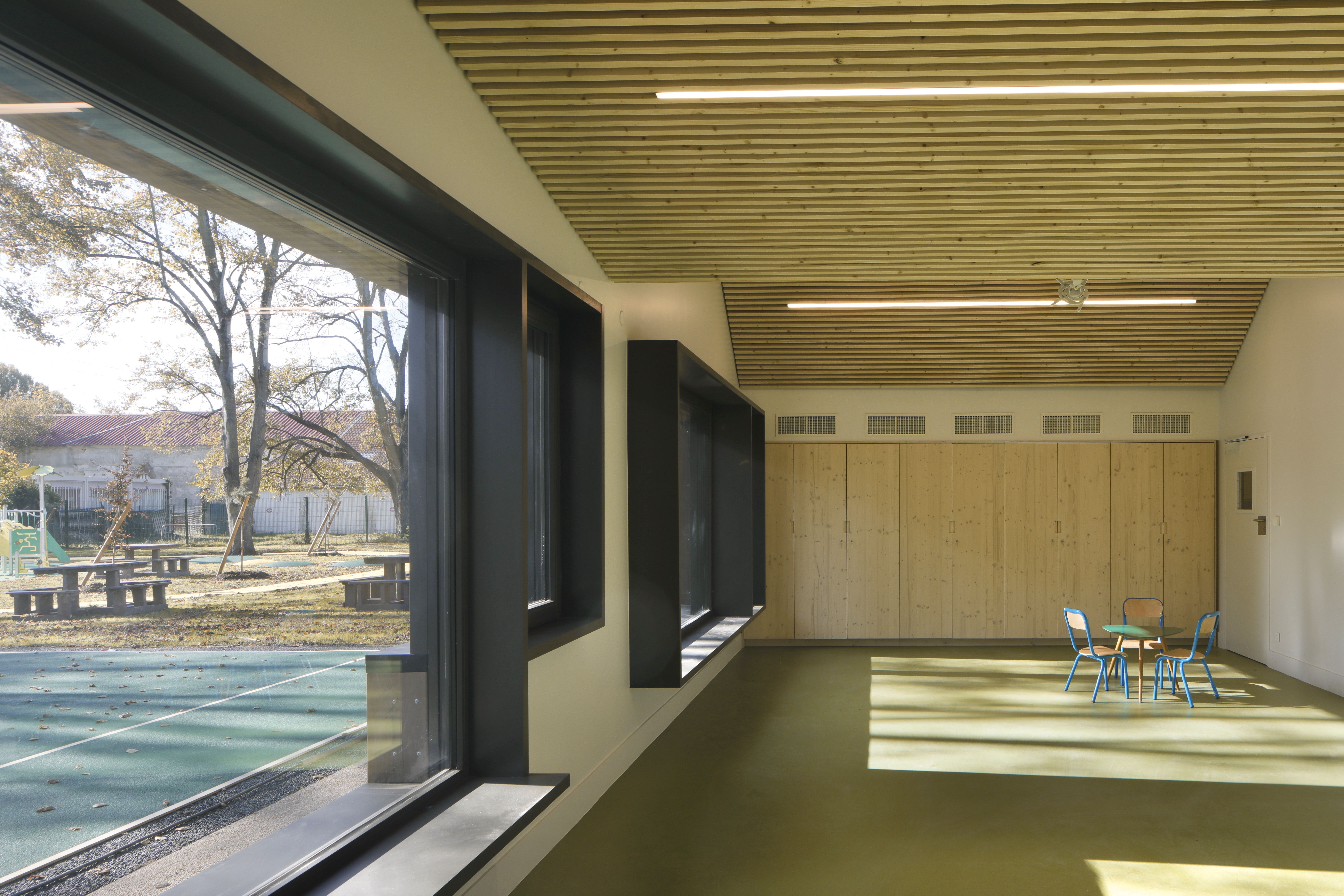
Indoors and out, bespoke timber window sills frequently double as seating, an idea enthusiastically embraced by the children. The overarching ambition was to move away from the institutional language of paediatric healthcare and instead draw closer to the atmosphere of a school. In Chevilly-Larue, the new day hospital plays an active role in supporting children already in education, while creating pathways for those not yet enrolled, reinforcing its position as both a place of care and learning.
Photography credits: © Philippe Ruault and Camille Gharbi
Originally written by Sipane Hoh, translated and slightly adapted by Helen Parton


